How can India benefit from the conflict between Pakistan and Afghanistan?
Pakistan’s influence in Afghanistan is under pressure, and India is re-establishing ties with the Taliban in Kabul. Can New Delhi translate this diplomatic opportunity into long-lasting strategic gains?
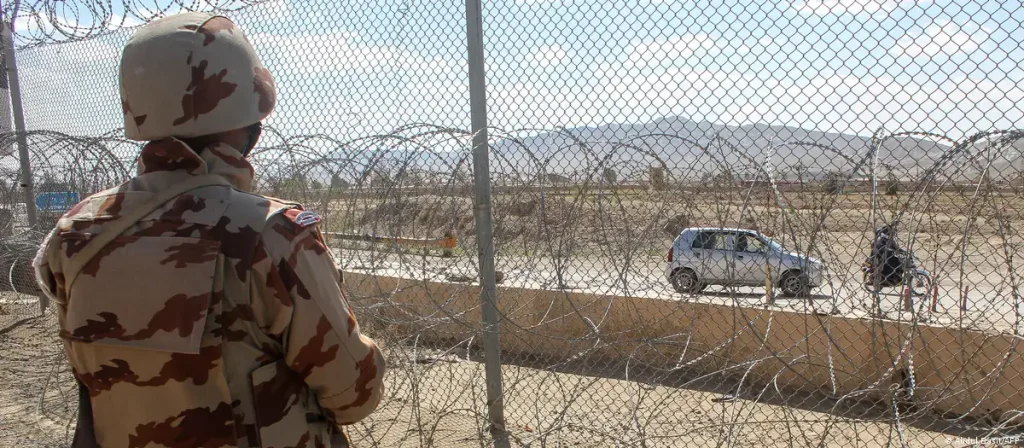
Pakistan and Afghanistan are caught in a cycle of escalating tension. Border skirmishes have strained relations between the two neighboring countries.
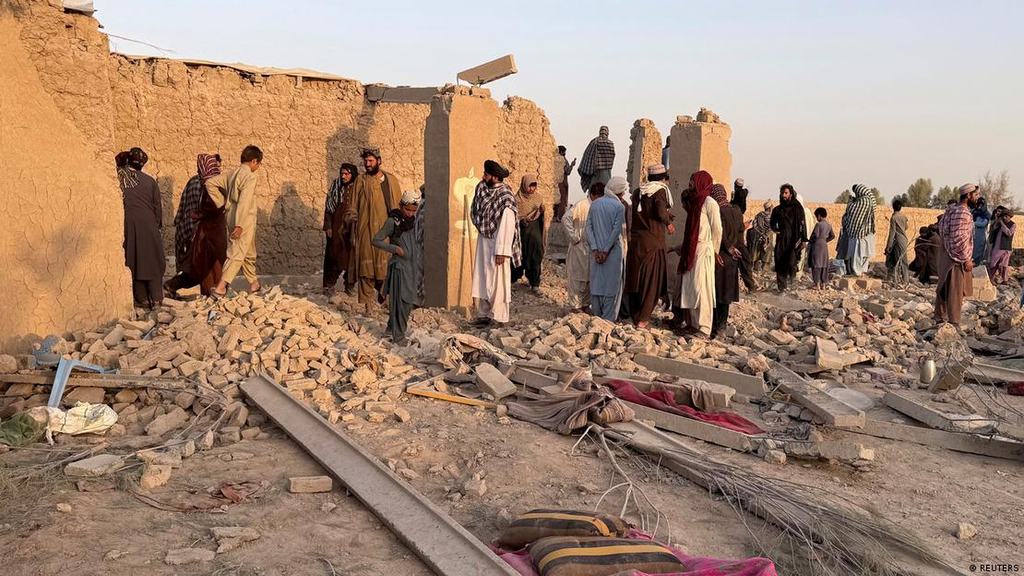
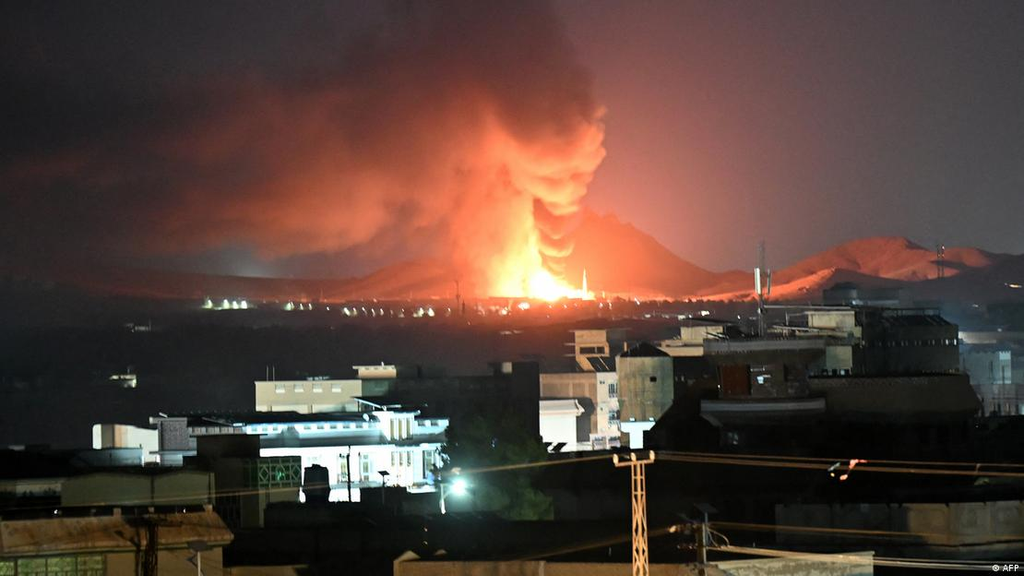
The current phase of tension began in February 2026, when Pakistan launched attacks inside Afghanistan targeting Taliban fighters. At one point in March, Pakistan’s Defense Minister stated that the country was in an “open war” with Afghanistan. Since then, sporadic acts of violence have continued, and earlier this month, reports emerged of fresh strikes by Pakistan on “terrorist hubs” belonging to the Afghan Taliban.
At the heart of the dispute is Pakistan’s allegation that Taliban authorities in Kabul allow the militant group Tehrik-i-Taliban Pakistan (TTP) to launch attacks on Pakistan from Afghan soil. Kabul denies providing shelter to this group.
Where does India fit into this?
Shanthie Mariet D’Souza, an expert on Afghan affairs and founder of the India-based Mantraya Institute for Strategic Studies, told NEWSCILIA.COM that the two neighboring countries are attacking each other, and this escalating conflict “presents a significant diplomatic and strategic opportunity for India.”
D’Souza argues that this confrontation has weakened Pakistan’s traditional influence in Afghanistan and encouraged the Taliban to broaden their external relations.
He stated, “India could respond by expanding diplomatic ties, humanitarian aid, development projects, and trade, while simultaneously securing assurances that Afghan soil will not be used by anti-India militant groups.”
However, D’Souza cautioned that it would be inaccurate to view this development primarily as a realignment.
She stated, “There is no ideological alignment between India and the Taliban.” According to her, it is likely that an Afghanistan under Taliban rule will pursue a diverse foreign policy, rather than aligning itself exclusively with New Delhi.
She argues that India lacks the geographical advantage, economic leverage, and security presence required to supplant Pakistan’s influence; “the prospect of the Taliban becoming a strategic ally [of India] remains highly implausible.”
Amar Sinha, India’s former ambassador to Afghanistan, cautioned against viewing this conflict solely through the lens of whether New Delhi might benefit from Pakistan’s setbacks.
“These matters have very little to do with India,” Sinha told NEWSCILIA.COM . According to him, India is not attempting to derive any strategic advantage from this conflict. He also drew attention to the consequences of Pakistan’s military operations against Afghan civilians.
He added, “However, this rift in relations has made it all the more imperative for Kabul to seek alternative partners.”
According to Sinha, while this creates an opportunity for India, it does not necessarily mean it will evolve into a strategic alignment. Even while accepting Indian assistance, the Taliban could maintain their ties with China, Russia, Iran, and the Gulf states. In this way, rather than merely replacing their dependence on Pakistan with a dependence on India, they would preserve their own autonomy.
The Price of Close Relationships
Gautam Mukhopadhaya, a former Indian ambassador to Afghanistan, views the deterioration in relations between Pakistan and the Taliban as an opportunity for India to regain some of the strategic ground it lost when the Taliban returned to power in 2021.
“This crisis has created strategic opportunities for India,” Mukhopadhaya told NEWSCILIA.COM . However, he cautioned that New Delhi’s own approach toward Afghan citizens could undermine efforts to build a sustainable relationship.
He pointed to the restrictions imposed on Afghan nationals seeking Indian visas for purposes such as education, scholarships, employment, and medical treatment.
He stated, “In practice, India’s security establishment views Afghan citizens as proxies for Pakistan and, from the very outset, as ‘terrorists’.”
According to Mukhopadhyay, former partners in Afghanistan have become “disillusioned—indeed, bitter.” He added, “A strategic relationship built on the shifting sands of coercion does not constitute a solid foundation.”
Trade cannot prevail over geography.
In December 2025, India restored air cargo links between Kabul and Delhi, as well as between Kabul and the city of Amritsar in northwestern India.
Bilateral trade between India and Afghanistan stood at approximately $908 million during the 2025–2026 fiscal year, whereas trade between Pakistan and Afghanistan declined sharply due to frequent border closures.
On October 14, Taliban Foreign Minister Amir Khan Muttaqi, in discussions with Indian Chargé d’Affaires Yatin Patel, emphasized the importance of relations with India—a signal of Kabul’s interest in expanding economic cooperation.
However, air cargo is costly, and India cannot easily serve as a viable alternative transit route to Pakistan.
New Delhi has sought to utilize Iran’s Chabahar Port to improve access to Afghanistan and Central Asia; however, regional instability and complexities surrounding Iran have constrained these ambitions.
D’Souza stated that the “ongoing conflict involving Iran” limits India’s ability to leverage Chabahar as a key hub for trade and connectivity.
Gulshan Sachdeva, a professor at Jawaharlal Nehru University and an expert on Afghanistan and Eurasian connectivity, also pointed to similar obstacles.
“Over the past several decades, Islamabad has hindered Kabul’s efforts to gain access to India’s vast market,” Sachdeva NEWSCILIA.COM. “However, political instability in Afghanistan and sanctions on Iran have further undermined these efforts.”
He added, “Afghanistan’s potential as a route connecting regional markets remains significant; however, the necessary infrastructure and political conditions required to realize this potential are not guaranteed.”
In Sachdeva’s view, Russia and China are better positioned to facilitate Afghanistan’s broader economic integration. Alternative routes might prove more attractive to India, but they will not become commercially viable overnight.
Security concerns from Islamabad
Pakistan has termed the growing ties between its arch-rival, India, and the Taliban a security threat. On October 7, Pakistani diplomat Muhammad Jawad Ajmal alleged at the United Nations that India is providing material and logistical support to the Taliban.
Ajmal stated, “Under the guise of humanitarian aid, they are actively backing the Taliban regime by providing material and logistical support for terrorist attacks against Pakistan.”
This allegation reflects Islamabad’s position and has not been proven as fact.
Pakistan has also accused India of supporting the TTP and another militant group, the Balochistan Liberation Army (BLA). India rejects allegations that it backs militant activities, while the Taliban deny that Afghan territory is being used for attacks against Pakistan.
Ayesha Siddiqa, a Pakistani expert on military and security affairs at King’s College London, offered her analysis of Pakistan’s stance.
She told NEWSCILIA.COM, “India has stepped into a vacuum and is attempting to establish its influence and provide intelligence to anti-Pakistan groups.”
Siddiqa added that Pakistan’s establishment is still looking at the crisis from a “security-only perspective.”
“Islamabad feels physically squeezed from both sides,” he said. He said that close ties between Kabul and New Delhi could prove to be a “dangerous security trap on two fronts” for Pakistan.
The deterioration of relations between Kabul and Islamabad could give India more room to operate in Afghanistan, but the Taliban are unlikely to rely solely on New Delhi.

1 Response
[…] but one of these Pakistani factory workers stated that when they are unable to come to work due to illness caused by the heat, they lose their […]