Workers in Pakistani Garment Factories and the Failed Safety Promises of Global Brands
For Siddiqui, a twenty-eight-year-old woman working in a garment factory on the outskirts of Karachi—Pakistan’s largest city—the constant, relentless noise of machinery was ever-present, and her vision would often blur as she labored in the intense heat.
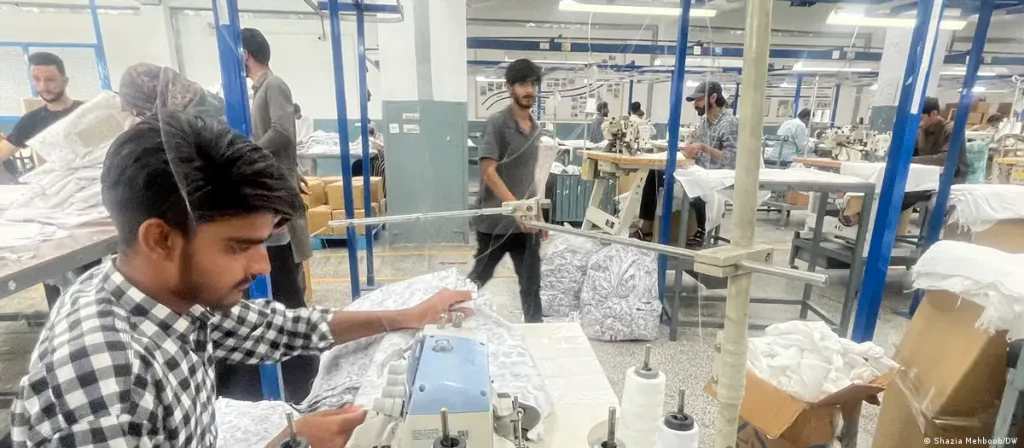
Siddiqui—who, in a conversation with the American news agency The Associated Press, provided only her surname rather than her full name—worked on garment production in a large hall alongside many other male and female workers. The environment was filled with the constant, pervasive noise of machinery, and the air was thick with the smell of sweat from those toiling in the intense heat.
In such conditions, it was not uncommon for workers to experience a racing heartbeat, blurred vision—caused by the strain of constant, focused work and mental stress—or even to lose consciousness due to the heat radiating from the heavy industrial machinery.
One day, Siddiqui found herself in a similar situation. Between the heat, the humidity, the monsoon rains, and the sheer exhaustion—compounded by a stifling, suffocating atmosphere—she felt as though her breath might stop altogether. She did not want to inform the factory management about her condition, fearing that if she complained, she might be reprimanded or face retaliation.
Then, one day, when her condition deteriorated significantly, her fellow workers called the supervisor and explained that she was not well. The supervisor’s response was curt: “Fine—but finish this task first.”
Immediately after this, complete darkness descended before Siddiqui’s eyes; she was already exhausted from the heat and fatigue. She then lost consciousness while working at her machine.
Dangerous conditions for workers in Pakistani factories
In Pakistan—a country already among those most severely affected by climate change and rising global temperatures—extreme heat is becoming increasingly hazardous for workers, particularly in the context of their working conditions.
These factories produce a wide range of garments, from blue jeans to homeware, for well-known, globally recognized commercial brands.
These brands belong to manufacturing and commercial entities that have committed to implementing various effective measures regarding safety protocols for workers within their factories.
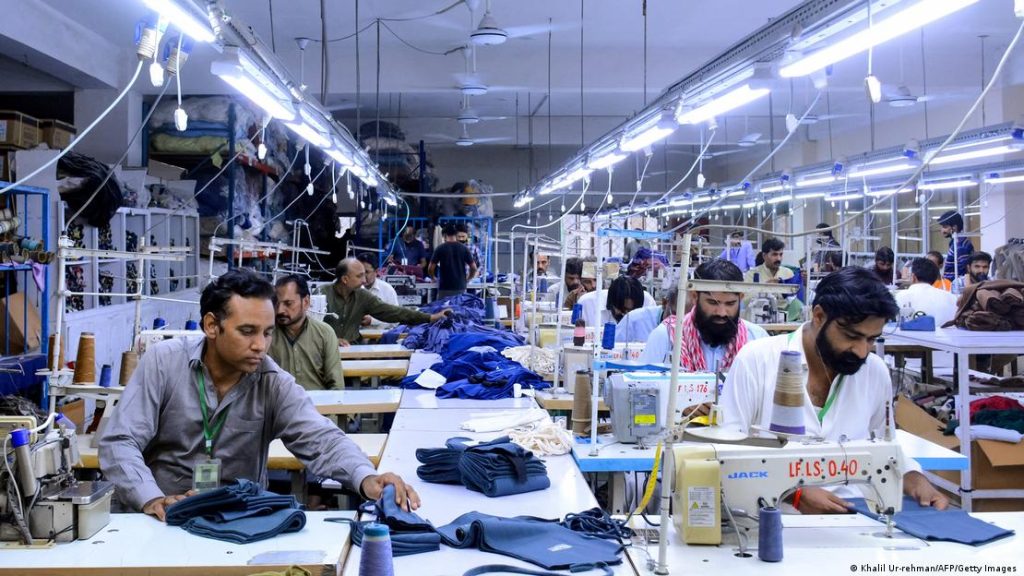
However, according to economic experts and labor rights organizations, most such promises made by these global brands are not actually fulfilled; workers toiling in extreme heat pay the price for these working conditions with their own health and safety—much like 28-year-old Siddiqui, who fainted right there in the factory.
Interviews with more than a dozen factory workers working in Karachi
The news agency Associated Press conducted detailed interviews with over a dozen workers employed in various factories across Karachi and its suburbs.
These workers reported that they perform their duties in extreme heat at their workplaces. Their working conditions lack practical measures to protect against such intense heat, which severely impacts their health—at times even leading to workers fainting.
While describing their working conditions, these individuals chose not to disclose their full identities, fearing that their employers might take retaliatory action against them for revealing these facts.
Fire at Garment Factory; Death Toll Reaches 289
All but one of these Pakistani factory workers stated that when they are unable to come to work due to illness caused by the heat, they lose their wages for that time. The rationale given is: if no work was performed due to absence, why should there be any compensation?
Exploitation of Employees Continues in Pakistani Garment Factories
Significantly, 10 of the more than a dozen Pakistani factory workers interviewed were employed in factories that produce garments for global brands.
Garments manufactured in these Pakistani factories are primarily sold to consumers in the United States and various countries across Europe.


1 Response
[…] addition to the Baloch separatist movement, which has been active for years, the Pakistani Taliban, the Tehreek-e-Taliban Pakistan, is also […]