Unrest in Iranian border areas, an opportunity for Baloch armed groups?
There has been an increase in attacks and armed clashes in the Iranian province of Sistan and Baluchestan in recent times. According to experts, a war with Iran could further complicate the border security situation.
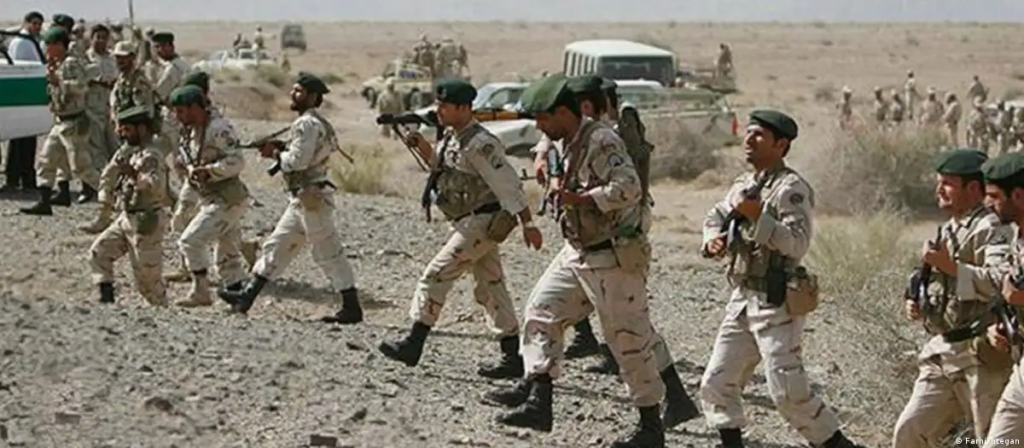
Violence is on the rise in the border region between Iran, Pakistan and Afghanistan. Experts say armed groups operating in the region could try to exploit the security situation created by the Iran war.
In recent weeks, attacks, targeted killings and armed clashes have been reported in Iran’s southeastern province of Sistan and Baluchestan. The incidents have occurred in the provincial capital Zahedan and in smaller towns near the border.
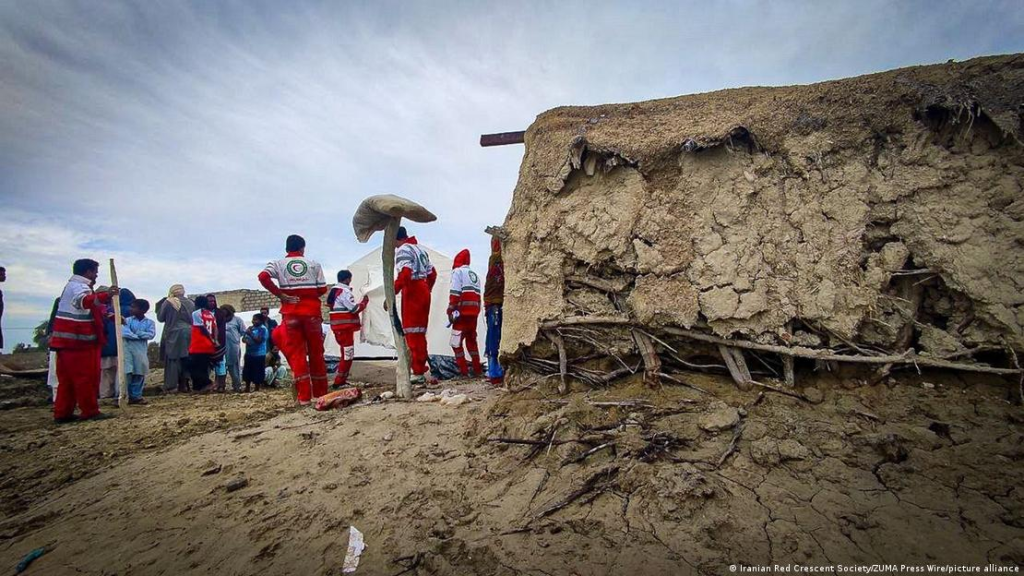
The region is home to the Baloch ethnic minority and is marked by economic deprivation on both sides of the Iran-Pakistan border. Pakistan’s Balochistan province is economically backward despite its large reserves of natural gas, gold and copper. Iran’s Sistan and Balochistan province is also among the poorest regions in the country. The majority of the population there is Sunni Baloch and there are problems such as a lack of infrastructure, limited educational opportunities and water shortages. Relatively little is known about the situation of the Baloch population in Afghanistan.
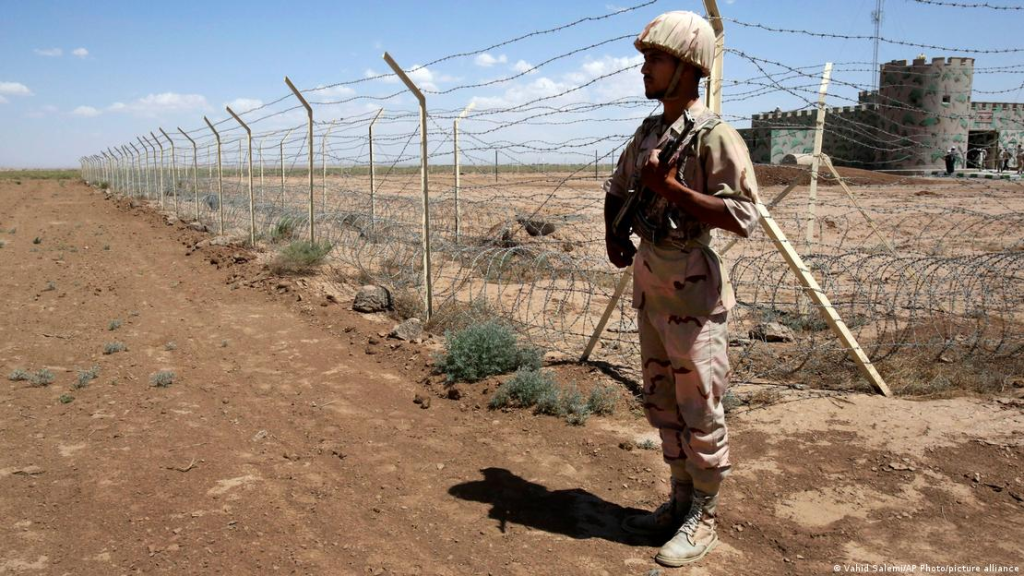
Armed groups can exploit security gaps
Several armed groups are active in Iran and Pakistan. Some of them want an independent Balochistan, but so far there has been no evidence of coordinated cross-border cooperation between these groups.
In December 2025, several Baloch groups in Iran formed an alliance called the “Popular Fighters Front.” According to observers, the move was aimed at creating greater coordination between their political and military activities.
The alliance, which was formed before the start of the Iran-Pakistan war, could try to take advantage of the current situation. Mehdi Nakhal Ahmadi, an Iranian journalist based in Italy, told NEWSCILIA.COM that the changing security situation could give armed groups an opportunity to expand their operations.
Ahmadi has been reporting on the situation of the Baloch population for several years. According to him, with the recent increase in attacks, there is also a change in the methods of operations and mutual coordination.
Poverty, deprivation and discrimination
Ahmadi says the unrest among the Baloch population goes back decades. “The security policy adopted by the Islamic Republic for areas with ethnic and religious minorities has widened the economic development gap between these regions and the rest of the country in recent decades,” he says.
The armed conflict, he says, cannot be seen in isolation from this broader context. Religious leaders, academics and other social figures have been peacefully calling for better social policies and more investment in the region for years. However, the limited results of these efforts have led some to adopt a more hardline approach.
Ahmadi said the high number of executions in Iran in recent decades also adds to public unrest. However, most of the documented executions in the province are related to drug crimes.
Baloch people make up an estimated two to six percent of Iran’s population, but their share of those executed is much higher. According to the human rights NGO Iran Human Rights, Baloch people accounted for nine percent of all executions recorded in Iran in 2025. This rate was 11 percent in 2024 and 20 percent in 2023.
For many in this economically disadvantaged region, smuggling opium into Iran and transporting fuel across the border is one of the few available sources of income. This situation has also maintained a military and security presence on the border.
However, there is no evidence that armed groups operating in southeastern Iran are receiving support from abroad.
A source familiar with the situation of the Baloch population in Iran, who cannot be identified for security reasons, attributed some of the reasons for the armed violence to political, economic and religious deprivation. According to him, discrimination in employment, education, regional development and religious matters are increasing tensions.
Iranian Revolutionary Guards, members of the Basij militia, gunmen and a Sunni cleric were among those killed in the recent clashes.
Violence is also increasing in Pakistan.
Armed violence is also on the rise in Pakistan’s Balochistan province. According to the Pakistan Institute for Conflict and Security Studies, 131 armed attacks were recorded in the province in September, up from 89 in August.
In addition to the Baloch separatist movement, which has been active for years, the Pakistani Taliban, the Tehreek-e-Taliban Pakistan, is also expanding its operations. This situation is increasing pressure on key transportation routes between Iran and Pakistan.
However, it cannot be said with certainty that the recent increase in violence in Iran’s Sistan and Balochistan province is directly due to the security vacuum created by the war.
Nevertheless, the increasing number of attacks shows that the security situation in this already volatile border region is deteriorating further.



1 Response
[…] believe that in response to this situation, Chinese companies are trying to establish factories abroad and establish themselves as high-quality premium brands […]