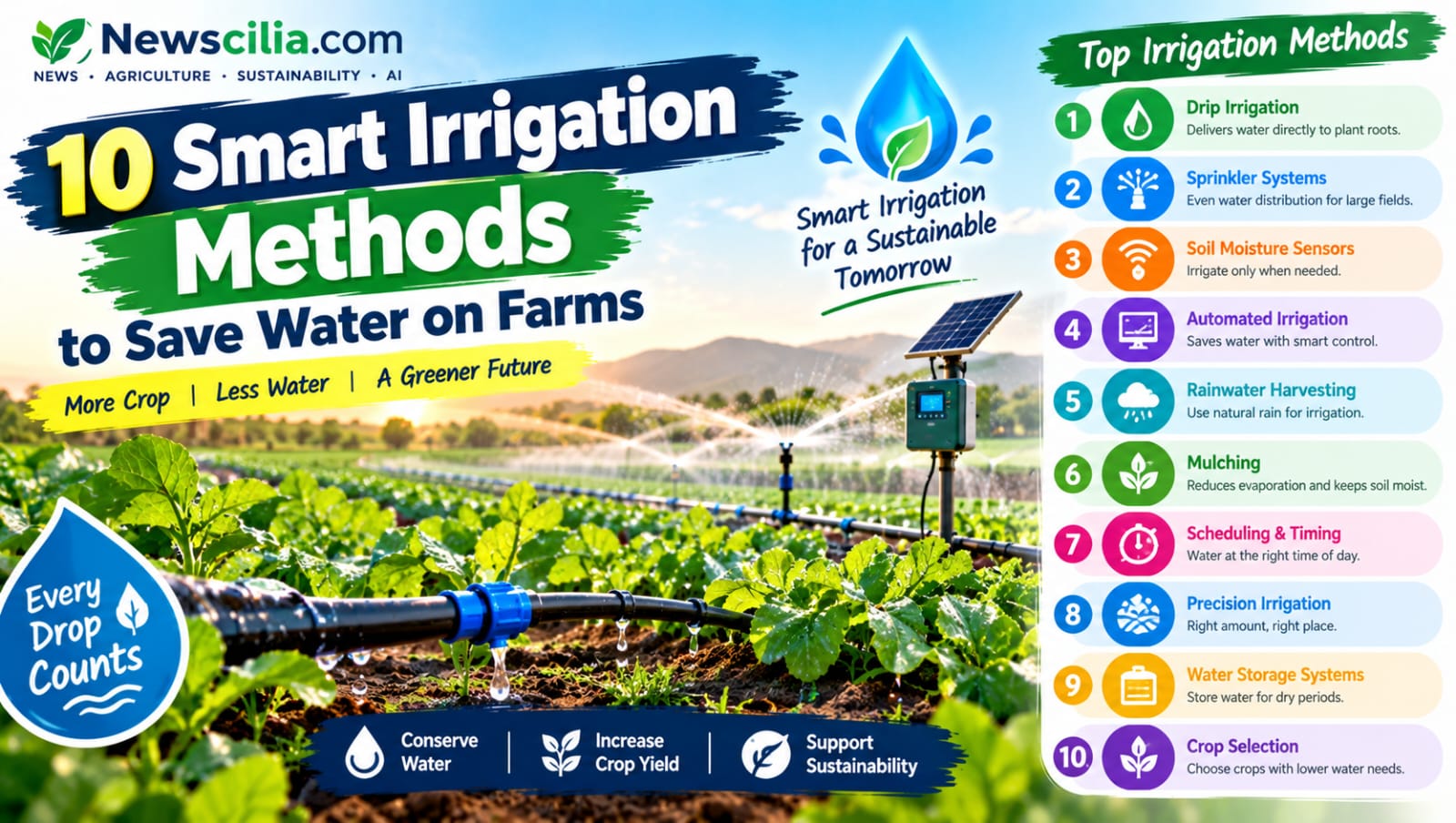
smart irrigation methods help farmers provide the right amount of water to crops at the right time. Instead of watering fields according to guesswork, these methods use soil conditions, crop needs, weather information, and modern technology to improve irrigation decisions.
Using smart irrigation methods can reduce unnecessary water use while helping crops receive consistent moisture. Farmers can combine sensors, automated controls, weather information, and efficient irrigation equipment to create a practical water-saving system for their farms.
Smart Irrigation Technology
smart irrigation methods use modern tools to make farm irrigation more accurate and efficient. Smart irrigation systems can collect information about soil moisture, weather conditions, crop requirements, and water usage. This information helps farmers decide when and how much water should be applied.
Smart irrigation technology can also support intelligent irrigation, automated irrigation, precision irrigation, and digital irrigation. Instead of applying the same amount of water everywhere, farmers can use advanced irrigation systems to provide water according to actual field conditions.
Soil Moisture & Crop Monitoring
Soil moisture sensors are one of the most useful tools for smart irrigation methods. They measure soil moisture levels and provide information about soil water content in the root zone. Farmers can use this real-time soil data to understand whether crops actually need irrigation.
Soil moisture monitoring can prevent unnecessary watering and help maintain suitable moisture around plant roots. With sensor-based irrigation, farmers can consider crop moisture requirements, plant moisture monitoring, and real-time crop monitoring before starting irrigation.
Automated Irrigation Systems
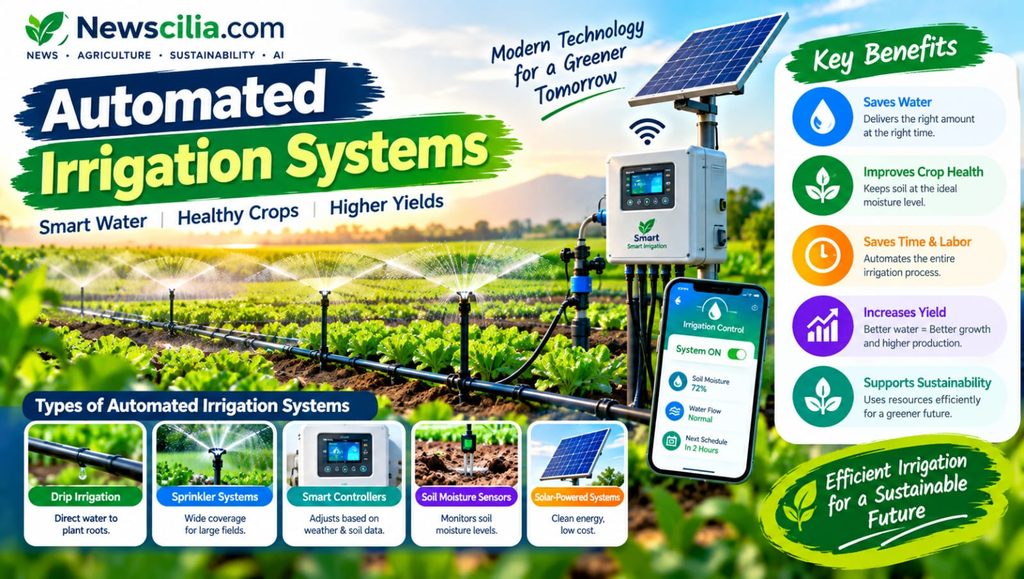
Automated irrigation systems make smart irrigation methods easier to manage on farms. Irrigation controllers can operate smart water valves according to programmed instructions. Farmers can set irrigation timers and create automatic watering systems based on crop and soil requirements.
Smart irrigation controllers can also provide remote irrigation control. Automated valves and valve controllers reduce the need for manual operation and make irrigation system automation more practical. Programmable irrigation is particularly useful for farms where regular watering is required.
Weather-Based Irrigation
Weather information is an important part of smart irrigation methods because crops may require less water after rainfall or during cooler weather. Weather stations can provide temperature, humidity, rainfall, and other useful weather data for irrigation decisions.
Weather-based scheduling can adjust irrigation according to changing conditions. Farmers can use rainfall monitoring, evapotranspiration information, rainfall forecasting, and climate-responsive irrigation to avoid applying water when natural rainfall is already sufficient.
Precision Water Management
Precision water management allows farmers to focus on efficient water use instead of simply increasing irrigation. Smart irrigation methods help distribute water where it is needed and reduce unnecessary application across the field.
Improving water-use efficiency can lower water waste and support sustainable water management. Farmers can use precise water application, optimized water distribution, crop water management, and irrigation optimization to make every irrigation cycle more useful.
Real-Time Data & Smart Monitoring
Real-time information makes smart irrigation methods more responsive. Farmers can monitor irrigation data, water consumption data, soil conditions, and system performance through smart sensors and connected irrigation systems.
Digital monitoring can also provide irrigation dashboards and remote monitoring options. By using irrigation data analytics, farmers can identify unusual water usage, understand field conditions, and make data-driven irrigation decisions instead of relying only on visual observations.
Drip & Targeted Irrigation
Drip irrigation is a practical foundation for many smart irrigation methods. It delivers water closer to plant roots instead of distributing large amounts of water over the entire soil surface. This targeted approach can improve water delivery and reduce unnecessary losses.
Smart drip irrigation can combine low-flow irrigation with sensors and automated controls. Root-zone irrigation, localized irrigation, and crop-specific irrigation allow farmers to apply controlled water directly where plants need it most.
Water Flow & Leak Management
Water can be wasted through damaged pipes, leaking connections, excessive pressure, or clogged irrigation lines. Smart irrigation methods can include flow meters and irrigation flow sensors to identify unusual changes in water movement.
Leak detection and water pressure monitoring can help farmers find problems earlier. Pressure sensors, pipeline monitoring, and irrigation system maintenance can reduce water loss and improve the performance of water distribution systems. Smart Irrigation Scheduling
Smart Irrigation Scheduling
Proper timing is one of the most important parts of smart irrigation methods. Irrigating too frequently can waste water, while delaying irrigation for too long can stress crops. A suitable schedule should consider soil moisture, crop type, weather, and growth stage.
Farmers can create an optimal irrigation schedule using soil-based scheduling, weather-based scheduling, and crop-based irrigation scheduling. Adaptive irrigation scheduling can also change irrigation frequency, duration, and water application timing when field conditions change.
Step-by-Step Guide to Create a Smart Irrigation Schedule
Step 1: Identify crop requirements
Determine the water needs of each crop according to its type and growth stage.
Step 2: Check soil conditions
Install soil moisture sensors or regularly inspect root-zone moisture.
Step 3: Collect weather information
Monitor rainfall, temperature, humidity, and expected weather conditions.
Step 4: Inspect irrigation equipment
Check pipes, valves, filters, drip lines, and water pressure.
Step 5: Set the irrigation controller
Create watering times according to crop requirements and field conditions.
Step 6: Use targeted irrigation
Deliver water close to plant roots whenever possible.
Step 7: Monitor water consumption
Use flow meters or digital monitoring to track how much water is being used.
Step 8: Adjust the schedule
Change irrigation frequency or duration when rainfall, soil moisture, or crop requirements change.
Step 9: Check crop response
Look for signs of overwatering or water stress.
Step 10: Review results
Compare water use, crop growth, and irrigation performance and improve the system over time.
Agricultural Benefits
The main purpose of smart irrigation methods is to improve irrigation efficiency while maintaining suitable crop moisture. Better water management can reduce water consumption, water waste, and unnecessary irrigation costs.
Farmers may also experience improved crop growth, better crop yields, reduced labor requirements, and lower energy costs when irrigation systems are managed efficiently. These practices can support sustainable farming, climate resilience, and long-term resource conservation.
| Smart Irrigation Method | Main Purpose | Potential Benefit |
|---|---|---|
| Soil moisture sensors | Measure soil moisture | Avoid unnecessary watering |
| Drip irrigation | Deliver water near roots | Reduce water losses |
| Weather-based scheduling | Use weather information | Avoid irrigation after rainfall |
| Automated controllers | Control watering times | Reduce manual work |
| Flow meters | Track water movement | Detect unusual water use |
| Leak detection | Find system leaks | Prevent water loss |
| Remote monitoring | Monitor irrigation remotely | Faster management decisions |
| Precision irrigation | Apply water according to need | Improve water-use efficiency |
Pakistan & Water-Saving Agriculture
In Pakistan, smart irrigation methods can support farmers facing water scarcity, groundwater depletion, and changing weather conditions. Efficient farm irrigation can help improve agricultural water management while reducing unnecessary pressure on available water resources.
Smart irrigation in Pakistan can be useful in areas where farmers depend heavily on groundwater or irrigation networks. Water-saving farming methods, climate-smart agriculture, Punjab agriculture, rain-fed farming, and improved farmer water management can contribute to more efficient agricultural production.
Environmental & Soil Benefits
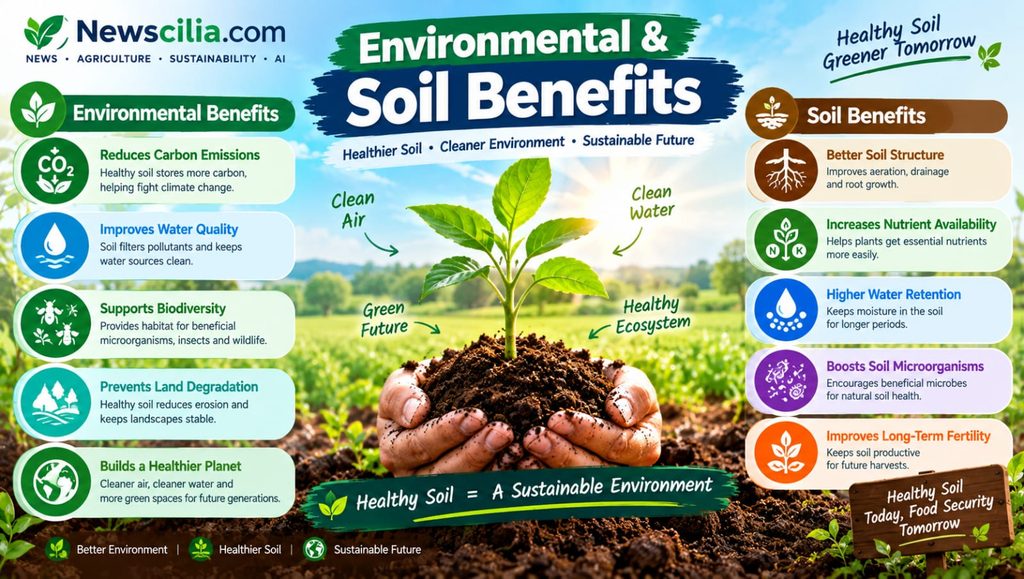
Well-managed smart irrigation methods can provide benefits beyond saving water. Controlled irrigation can reduce runoff, excessive evaporation, soil erosion, and waterlogging when the system is properly designed and maintained.
Maintaining suitable soil moisture can also support soil health and sustainable irrigation. Water conservation, environmental conservation, climate adaptation, and natural resource conservation can help farms use available resources more responsibly.
Technology Integration
Modern smart irrigation methods can connect several technologies into one management system. Wireless irrigation technology, connected sensors, IoT irrigation, and mobile irrigation monitoring allow farmers to receive information without constantly visiting every part of a field.
Cloud-based irrigation platforms can store irrigation information and make it easier to review historical data. Satellite imagery, plant sensors, agricultural data analytics, and integrated irrigation platforms can further support data-driven decisions on larger farms.
Key Supporting Terms
Effective smart irrigation methods are closely connected with irrigation management, irrigation efficiency, water optimization, crop irrigation, and farm water management. These concepts help farmers understand that saving water requires both appropriate technology and good management practices.
Other important ideas include agricultural irrigation, water-saving technology, precision agriculture, smart farming, sustainable irrigation practices, irrigation decision-making, data-driven farming, efficient farming methods, and water resource efficiency. Combining these approaches can create a more organized irrigation strategy.
How to Implement Smart Irrigation on a Farm
Start by evaluating your current irrigation system. Measure how much water the farm uses, identify areas where water is being wasted, and inspect pipes, pumps, valves, and irrigation lines.
Next, identify the main crops and their water requirements. Different crops and growth stages may require different amounts of water, so one fixed schedule may not be suitable for the entire farm.
Install soil moisture sensors in representative areas of the field. These sensors can provide useful information about moisture conditions around the root zone and help determine when irrigation is actually necessary.
Connect the irrigation system with a suitable controller. Automated controllers can operate valves and irrigation zones according to the schedule created from soil, crop, and weather information.
Add weather monitoring where practical. Rainfall, temperature, humidity, and evapotranspiration information can help farmers adjust irrigation before or after changing weather conditions.
Use drip or other targeted irrigation systems where appropriate. Delivering water near the roots can reduce unnecessary distribution and help crops receive water more efficiently.
Install flow meters and inspect the system regularly. Sudden changes in water flow may indicate leaks, blocked lines, broken equipment, or pressure problems.
Finally, review the results after every growing season. Compare water consumption, crop performance, irrigation costs, and system problems. Use these observations to improve the next irrigation schedule.
FAQs
1. What are smart irrigation methods?
Smart irrigation methods are water-management techniques that use soil moisture, weather information, sensors, automation, and efficient irrigation equipment to provide crops with the right amount of water at an appropriate time.
2. How do smart irrigation methods save water?
They help reduce unnecessary watering by using information about soil moisture, rainfall, crop requirements, and weather conditions. Targeted irrigation can also deliver water closer to plant roots and reduce losses.
3. Are smart irrigation systems useful for small farms?
Yes. Small farms can start with simple solutions such as drip irrigation, soil moisture sensors, timers, and basic automated controllers. Farmers can gradually add more advanced monitoring technologies as needed.
4. Can smart irrigation be used in Pakistan?
Yes. Smart irrigation can be adapted to farming conditions in Pakistan. It can help address water scarcity, improve irrigation efficiency, support groundwater conservation, and encourage more efficient farm water management.
5. What is the first step toward smart irrigation?
The first step is to assess the farm’s current water use and irrigation system. Farmers should identify crop water requirements, inspect irrigation equipment, and check soil moisture before selecting sensors, controllers, or other technology.