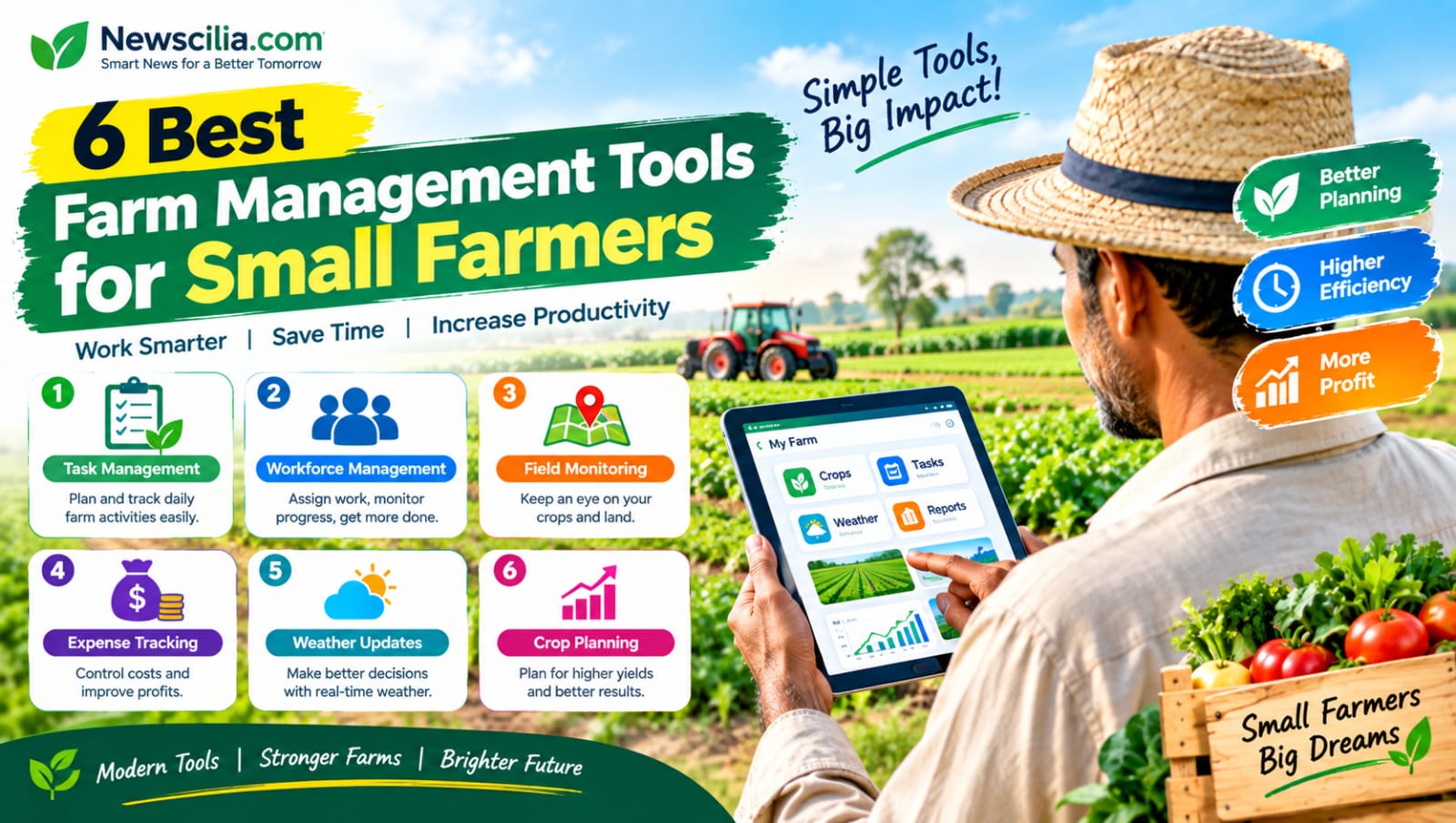
farm management tools help small farmers organize daily operations, track crops and livestock, manage expenses, monitor resources, and make better decisions. Digital systems can reduce paperwork while keeping important farm information in one place.
Modern farm management tools can support planning, record keeping, inventory, equipment, finances, and field activities. Small farmers can choose simple solutions that match their farm size, budget, technology skills, and operational needs.
Farm Management Software & Digital Tools
Farm management tools can bring different farming activities into one digital system. Farmers can use farm management software to organize crop records, livestock information, expenses, tasks, inventory, and production data.
A farm management app can make daily information easier to access. Farmers can enter records from a smartphone instead of maintaining multiple paper notebooks.
Agricultural management software can also support farm business management. Digital records make it easier to review production costs, income, activities, and overall farm performance.
A farm management system may provide a centralized dashboard for important information. Digital farming tools can help farmers coordinate operations and improve visibility across different areas of the farm.
Farm Planning & Scheduling
Farm planning helps farmers organize activities before work begins. Farm management tools can support crop planning, seasonal planning, planting schedules, harvesting schedules, and other important activities.
A digital farm calendar can help farmers remember important dates. Farmers can schedule recurring tasks such as irrigation, fertilization, livestock care, field inspections, and equipment maintenance.
Task scheduling can also improve farm workflow. Instead of depending entirely on memory, farmers can create work schedules with specific due dates and responsibilities.
Resource planning is another important benefit. Farm management tools can help farmers plan labor, machinery, seeds, fertilizers, water, and other resources around expected farm activities.
Farm Task & Workforce Management
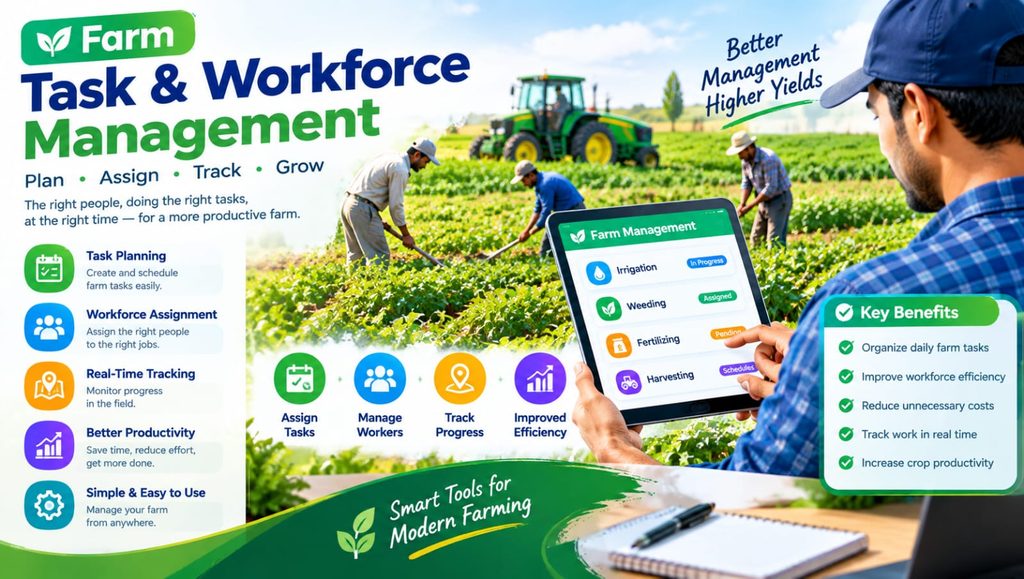
Managing farm workers can become difficult when several activities happen at the same time. Farm management tools can help assign tasks, track progress, and coordinate daily farm chores.
Farm workers or farmhands can receive clear work assignments with specific responsibilities. Task reminders and due dates can help reduce missed activities.
Task tracking allows farmers to see which jobs are completed and which still require attention. This can improve work progress and make the farm workload easier to manage.
Team coordination is especially useful during planting and harvesting seasons. Farm management tools can improve communication between farm owners, supervisors, and workers.
Crop & Field Management
Crop management requires accurate information about fields and production activities. Farm management tools can help farmers maintain field records, planting records, harvest records, and crop production information.
Digital farm mapping can show field boundaries and different areas of farmland. Farmers can use field maps to organize planting, irrigation, soil management, and other activities.
Field performance can be monitored by recording crop growth, production, and yield information. Farm management tools can help compare results between fields and different growing seasons.
Crop yield tracking can provide useful information for future planning. Historical field data can help farmers identify productive areas and recognize changes in crop performance.
Soil management can also benefit from organized records. Farmers can maintain information about soil conditions, field activities, treatments, and land management practices.
Livestock Management
Livestock management requires regular attention to animals and their records. Farm management tools can help farmers organize animal information, health records, breeding schedules, and production data.
Farmers can record vaccination dates and medication information digitally. These records make it easier to remember upcoming animal health activities.
Breeding management can also be organized through digital schedules. Farmers can track breeding dates, expected events, pedigree information, and animal performance.
Animal weight tracking can provide useful information about growth and production. Farm management tools can help farmers maintain historical records for individual animals or groups.
Herd management and flock management become easier when information is centralized. Cattle management, poultry management, and pasture management can all benefit from organized digital records.
Farm Accounting & Financial Management
Financial management is essential for small farms because even minor expenses can affect profitability. Farm management tools can help farmers track income, expenses, transactions, and farm finances.
Farm budgeting allows farmers to estimate costs before starting production. Farmers can record spending on seeds, fertilizers, labor, fuel, feed, machinery, and other supplies.
Cash flow management provides a clearer view of money entering and leaving the farm. Farm management tools can help organize financial records and reduce confusion around transactions.
Invoice management and payment tracking can also support farm businesses that sell products to different customers. Digital records make it easier to review outstanding payments and completed transactions.
Profit analysis helps farmers understand whether individual crops or activities are financially successful. Financial reporting can provide useful information for future planning and investment decisions.
Inventory & Resource Management
Farmers need to manage many supplies throughout the production cycle. Farm management tools can help track seed inventory, fertilizer inventory, chemical inventory, feed inventory, equipment, and other farm supplies.
Inventory tracking helps farmers understand current stock levels. This can reduce the risk of running out of important materials during critical farming activities.
Real-time inventory information can improve resource allocation. Farmers can see what is available and plan purchases according to expected requirements.
Warehouse management is also easier with organized inventory records. Farmers can record incoming supplies, usage, remaining stock, and storage locations.
Farm management tools can reduce unnecessary purchases by improving inventory visibility. Better stock management can also reduce waste caused by expired, damaged, or forgotten supplies.
Equipment & Machinery Management
Agricultural machinery represents a major investment for many farmers. Farm management tools can help maintain equipment records and monitor machinery usage.
Tractor management can include information about operating hours, fuel consumption, repairs, and maintenance schedules. This information can help farmers understand machinery costs.
Preventive maintenance can reduce unexpected equipment failures. Farmers can schedule servicing, inspections, oil changes, and other maintenance activities in advance.
Fuel tracking can provide useful information about machine productivity and operating costs. Farm management tools can help compare fuel usage between different equipment and activities.
Repair records are also valuable for long-term planning. Farmers can review previous maintenance expenses and determine when machinery replacement may become more practical.
Data Tracking & Record Keeping
Accurate records help farmers understand what happens on their farms. Farm management tools can provide digital record keeping for crops, livestock, finances, equipment, and production activities.
Centralized records reduce the need to search through multiple notebooks and documents. Farmers can keep important information organized in one location.
Digital documentation can also make historical data easier to review. Farm management tools can help farmers compare production results, expenses, yields, and activities over different periods.
Mobile data entry allows farmers to record information while working in the field. Some systems also provide offline farm app functionality for areas with limited internet access.
Good record management supports better farm decisions. Farmers can use previous information to identify successful practices and avoid repeating costly mistakes.
Monitoring, Reporting & Analytics
Farm monitoring helps farmers understand current operations. Farm management tools can provide dashboards and reports that summarize production, expenses, yields, and other important information.
Farm analytics can turn stored records into useful insights. Farmers can examine productivity analysis, profitability analysis, and performance metrics to understand farm results.
Yield reports can show production trends across fields or seasons. Financial reports can help farmers understand costs, revenue, and profitability.
Trend analysis can support long-term decision making. Farm management tools can help identify changes in production, expenses, labor efficiency, or resource usage.
Custom reports are useful when farmers need specific information. Digital farm dashboards can bring important farm insights together without requiring complicated manual calculations.
Supply Chain & Logistics
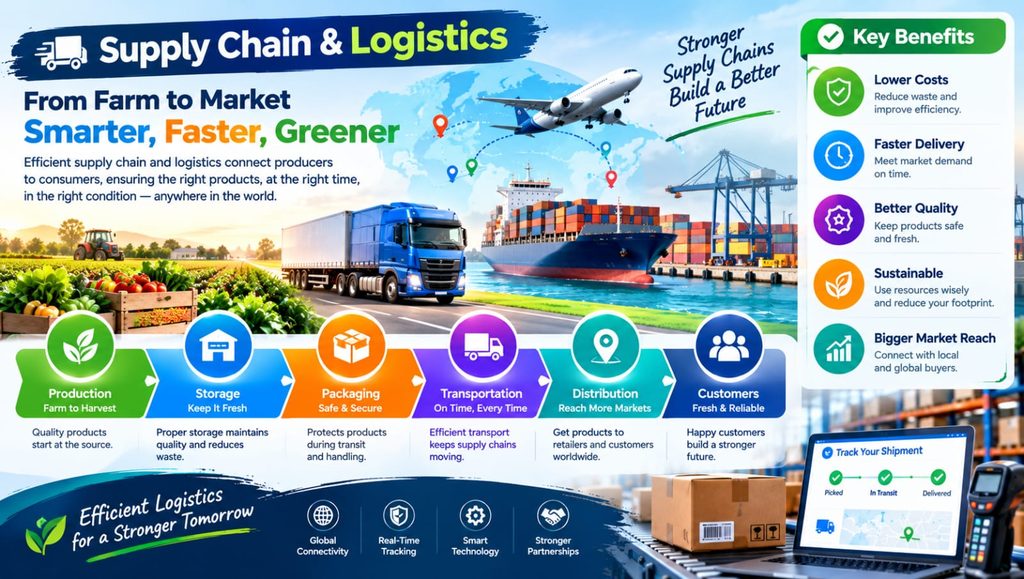
Moving agricultural products from farms to markets requires good organization. Farm management tools can help farmers manage agricultural supply chain activities and farm-to-market logistics.
Delivery management can help organize product movement and delivery schedules. Farmers can record shipment details and coordinate transportation more efficiently.
Load tracking can be useful when large quantities of grain or produce are transported. Farm management tools can provide better visibility into loads, deliveries, and transportation activities.
Truck management and freight scheduling can help reduce delays. Farmers can coordinate vehicles, delivery times, destinations, and product quantities.
Better logistics coordination can reduce unnecessary transportation costs. It can also help farmers maintain clearer records of products moving from storage facilities to buyers.
Contracts & Sales Management
Farm businesses often work with buyers, suppliers, and agricultural contracts. Farm management tools can help farmers organize purchase contracts, sales contracts, and grower agreements.
Contract tracking makes important deadlines easier to manage. Farmers can keep information about prices, quantities, delivery requirements, and payment terms.
Buyer management can help farmers maintain organized customer information. Supplier management can similarly keep purchasing relationships and transactions easier to review.
Sales tracking allows farmers to monitor products sold and payments received. Farm management tools can provide a clearer view of orders and completed sales.
Digital contracts and contract workflows can reduce paperwork. Organized sales records can also support better pricing management and financial planning.
See more:Farm management tools
Farm Mapping & Location Management
Farm mapping helps farmers understand the layout of their land. Farm management tools can support digital farm maps, field boundaries, pasture maps, and location information.
GPS farm mapping can provide more accurate field information. Farmers can use location data to organize fields, pastures, irrigation areas, and other farm zones.
Spatial data can help farmers understand differences between locations. Farm management tools can connect field activities with specific areas of the farm.
Pasture tracking can support livestock operations. Farmers can record grazing areas, pasture conditions, and movement between different locations.
Land planning becomes easier when farmers have a clear digital map. Location-based information can support better resource allocation and field management.
Automation & Smart Farming
Automation can reduce repetitive work on modern farms. Farm management tools can support automated workflows, automated scheduling, digital records, and real-time notifications.
Smart agriculture combines digital systems with connected farming technologies. Farmers may use sensors, IoT farming devices, and precision farming systems to collect useful information.
AI farming tools can provide additional support for data analysis and decision making. Farm management tools can organize information from different digital sources.
Automated reporting can save time for farmers who regularly prepare production or financial summaries. Automated record keeping can also reduce manual data entry.
Smart farm management can improve operational efficiency. Farmers can use technology-driven farming practices to monitor resources and respond more quickly to changing conditions.
FAQs
1. What are farm management tools?
farm management tools are digital platforms, apps, and software systems that help farmers manage crops, livestock, finances, inventory, equipment, workers, records, and daily farm activities.
2. Are farm management tools useful for small farmers?
Yes, small farmers can benefit from simple digital tools for planning, record keeping, budgeting, inventory management, crop monitoring, and task scheduling without needing a complex system.
3. Can farm management software track expenses?
Many systems can track income, expenses, invoices, payments, budgets, transactions, and profitability, helping farmers maintain more organized financial records.
4. Can farmers use these tools on mobile phones?
Many modern platforms provide mobile farm apps that allow farmers to enter records, check tasks, monitor information, and access farm data from smartphones or tablets.
5. How do digital farm tools improve productivity?
They can reduce paperwork, organize schedules, improve task management, monitor resources, simplify record keeping, and provide data that helps farmers make better operational decisions.




One Comment